Children’s artwork is often colorful, creative, and full of personality. Every drawing, painting, and craft project tells a story and represents a moment in your child’s development and imagination. However, as the masterpieces accumulate, managing and organizing them can become a challenge for many parents and caregivers. Without a system, stacks of paper and bulky art projects can quickly take over your home, creating clutter and stress instead of joy.
Fortunately, there are simple, effective ways to keep kids’ art organized while preserving those special memories. This post explores practical tips and ideas you can use to create an organized, manageable collection of your child’s creative work.
Why Organizing Kids’ Art Matters
Before diving into organization methods, it helps to know why this is important:
– Preservation of memories: Artwork reflects your child’s growth, creativity, and experiences.
– Reducing clutter: Keeping everything can lead to piles of paper and craft materials that overwhelm your space.
– Encouraging creativity: When art is organized and appreciated, children often feel inspired to create more.
– Easier sharing: A neat collection makes it simple to show off your child’s progress to friends and family.
Set Up a Dedicated Art Space
Having a specific area for art supplies and finished artwork helps your child develop a habit of organizing. This can be a corner in a playroom, a shelf, or a small table with storage bins.
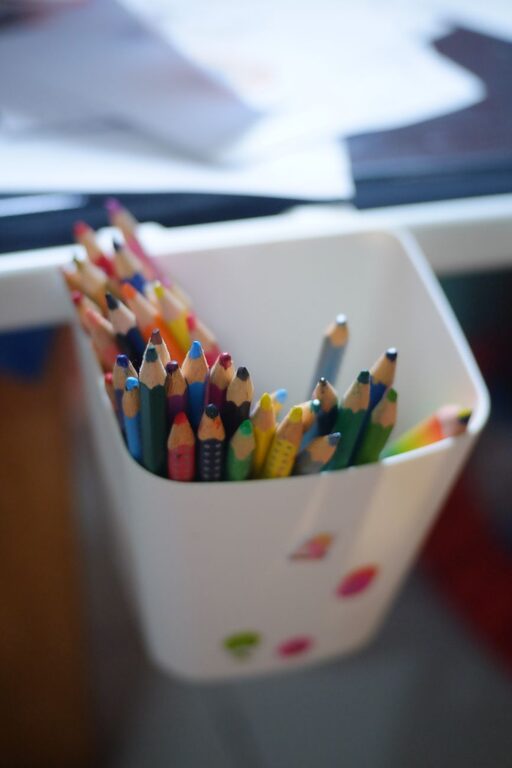
– Use labeled containers for crayons, markers, paints, and brushes.
– Store ongoing projects in trays or folders.
– Designate a “gallery wall” or bulletin board to display recent artworks.
Create an Artwork Sorting System
Sorting artwork regularly keeps things manageable. Consider setting a weekly or monthly routine to go through new pieces with your child.
– Keep the best: Select the most meaningful or creative pieces to save.
– Recycle or repurpose: Use some art as wrapping paper, greeting cards, or bookmarks.
– Digitize extras: Take photos or scan art items that you can’t keep physically.
Use Storage Solutions That Work
Once you’ve decided which pieces to keep, organizing them properly is key.
Flat Storage
– Portfolios: Large, flat folders specifically designed for artwork are great for storing flat pieces.
– Binders with sheet protectors: Insert artwork into plastic sleeves and organize by date or theme.
– Expandable files: Categorize by age, grade, or project type for quick access.
3D Artwork Storage
– Boxes or bins: Use clear plastic bins with labels for sculptures and crafts.
– Display shelves: Dedicate shelves to showcase three-dimensional projects before storing or rotating them.
Go Digital: Create an Online Archive
Digital storage saves physical space and creates easy access to memories.
– Photo books: Compile scanned or photographed artwork into printed albums.
– Cloud storage apps: Use apps to organize, tag, and share artwork digitally with family.
– Art apps for kids: Some apps let children create digital art that can be saved and revisited anytime.
Involve Your Child in the Process
Engaging your child in organizing their artwork teaches responsibility and pride in their creations.
– Let them choose which pieces to keep or display.
– Encourage naming or dating their artwork.
– Make organization a fun, creative activity rather than a chore.
Rotate Displays to Keep Things Fresh
To avoid overcrowding, rotate the art you display.
– Change artwork on bulletin boards and gallery walls regularly.
– Store older displayed pieces safely once replaced.
– Use frames with easily swapable artwork inserts.
Repurpose Artwork into Gifts or Keepsakes
Transform art into special items:
– Create calendars, mugs, or t-shirts featuring scanned artwork.
– Bind favorite pieces into a yearly art book.
– Use parts of a collage for homemade cards.
Final Tips for Success
– Limit saved items: Set a realistic cap on how many pieces to keep per year.
– Label all storage: Date and add notes to stored artwork for future reference.
– Schedule regular reviews: Every few months, revisit stored art to remove items if needed.
– Be selective: Remember, it’s okay not to keep everything. The memories are what matter most.
—
Organizing kids’ artwork doesn’t have to be overwhelming. With a simple system in place, you can preserve precious moments, celebrate creativity, and keep your home tidy. Try out these tips and find what works best for your family—your child’s art deserves to be enjoyed and remembered for years to come!