
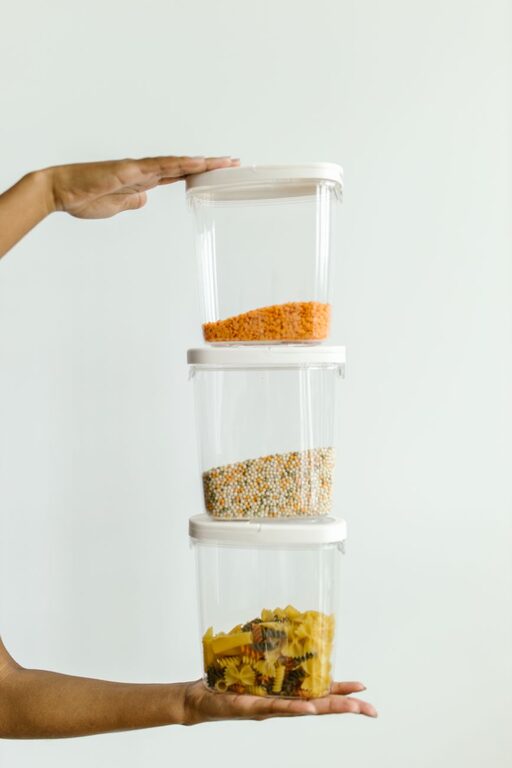
Planning meals from pantry staples is a great way to simplify your cooking routine, save money, and reduce food waste. Whether you’re facing a busy week, trying to limit trips to the grocery store, or just want to use what you already have, having a strategy for using pantry staples can make mealtime stress-free and enjoyable.
In this guide, you’ll learn how to organize your pantry, choose versatile staples, and plan meals that are both nutritious and tasty — all with ingredients you already have on hand.
What Are Pantry Staples?
Pantry staples are non-perishable or long-lasting foods that you keep on hand to create meals without needing frequent grocery runs. These often include:
– Dried pasta, rice, and grains
– Canned beans, tomatoes, and vegetables
– Cooking oils and vinegar
– Spices and dried herbs
– Stock or broth (powdered or canned)
– Flour, sugar, and baking essentials
– Nut butters and shelf-stable snacks
Having these basics stocked means you always have the foundation for a meal.
Step 1: Organize Your Pantry
Before you start planning meals, it’s helpful to have a clear view of what you already have.
– Sort and categorize: Group similar items together, such as grains, canned goods, baking supplies, and spices. Use clear containers or labels if you like.
– Check expiration dates: Remove expired items and note what needs to be used soon.
– Make an inventory list: Write down what you have to reference when planning meals.
A well-organized pantry reduces the time you spend searching for ingredients and helps avoid buying duplicates.
Step 2: Identify Versatile Staples
Some pantry staples can be used in a variety of recipes. Knowing which ingredients are flexible makes meal planning easier.
– Grains: Rice, quinoa, and pasta can pair with many sauces and proteins.
– Canned beans: Great for soups, salads, stews, and dips.
– Canned tomatoes: Useful for sauces, chilis, and casseroles.
– Spices: A mix of basics like salt, pepper, garlic powder, paprika, and dried herbs can change the flavor profile significantly.
– Oils and vinegar: Essential for cooking and dressings.
Having these versatile ingredients means you can mix and match to create new dishes.
Step 3: Plan Balanced Meals
When planning meals, aim for a balance of protein, carbohydrates, and vegetables, even when relying on pantry staples.
Protein Sources
– Canned beans and lentils
– Canned tuna, salmon, or sardines
– Nut butters or nuts
– Shelf-stable tofu or textured vegetable protein (TVP)
Carbohydrates
– Rice, pasta, or other grains
– Flour-based items (tortillas, crackers)
– Potatoes or sweet potatoes (if stored properly)
Vegetables and Flavor
– Canned vegetables or tomatoes
– Dried mushrooms or sun-dried tomatoes
– Spices and herbs for seasoning
– Pickled items or olives
Including fresh or frozen vegetables when possible adds color and nutrition, but many pantry-based meals can be healthy and satisfying on their own.
Step 4: Use Recipe Frameworks
Instead of searching for exact recipes, use simple frameworks that let you swap ingredients easily.
1. One-Pot Meals
Combine grains, beans or protein, canned vegetables, and spices in one pot or slow cooker. Examples include chili, curry, or stew.
2. Pasta and Sauce
Cook pasta and toss it with a sauce made from canned tomatoes, garlic, and herbs. Add canned tuna or beans for protein.
3. Grain Bowls
Cook grains and top with beans or canned fish, some canned or fresh veggies, and a simple dressing made from oil and vinegar.
4. Stir-Fries
Use quick-cooking grains or noodles, canned vegetables, and a simple sauce using pantry condiments like soy sauce or hot sauce.
5. Soups
Mix broth or stock with canned beans, vegetables, grains, and spices. Soups are forgiving and flexible.
Step 5: Create Your Meal Plan
Taking your pantry inventory and recipe frameworks, create a flexible meal plan for the week.
– Choose 3 to 5 main meal ideas based on what you have.
– Mix and match ingredients: Swap out proteins or vegetables depending on availability.
– Prep ahead: Cook grains or beans in larger batches to save time.
– Leave room for improvisation: Use leftovers creatively to avoid waste.
Planning meals this way helps with grocery shopping too — you only buy what you really need to supplement your pantry.
Bonus Tips to Maximize Pantry Cooking
– Freeze extras: If you have canned foods nearing expiry, open and freeze portions for later use.
– Keep quick-cooking staples: Instant oats, couscous, or quick-cook rice save time on busy days.
– Invest in good storage: Airtight containers keep dry goods fresh longer.
– Use spices to change flavors: A pinch of cumin or chili powder can transform a dish.
– Involve the family: Let everyone pick a pantry staple meal to keep cooking fun and varied.
Final Thoughts
Knowing how to plan meals from pantry staples is a powerful skill that saves time, money, and stress. With a well-stocked pantry, solid organization, and a few simple recipe ideas, you can create delicious, balanced meals on demand — without running to the store every day. Start by taking inventory and experimenting with one or two meals this week. Soon, you’ll feel confident stretching your pantry staples into a variety of tasty dishes!