
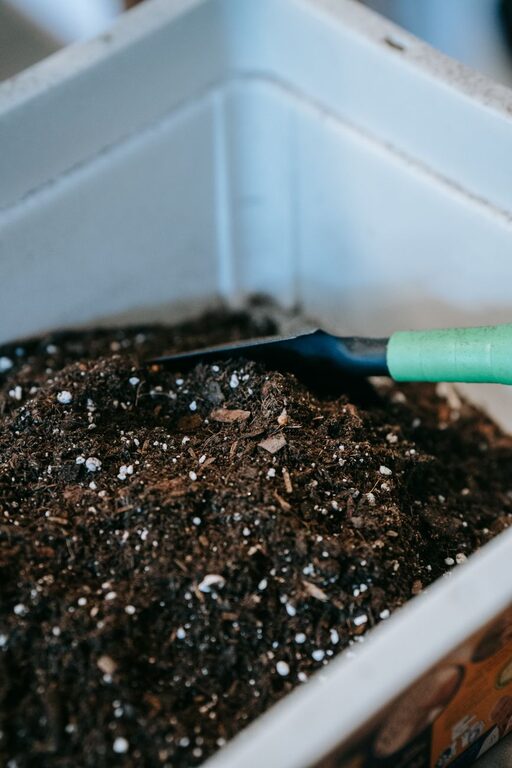
Composting at home is a fantastic way to reduce kitchen and yard waste while creating nutrient-rich soil for your garden. If you’re new to composting, it might seem a bit overwhelming at first, but with a few simple tips, you can get started easily and enjoy the benefits in no time. This guide will walk you through beginner-friendly composting practices that anyone can follow.
What Is Composting?
Composting is the natural process of recycling organic matter, such as food scraps and yard waste, into a valuable soil amendment called compost. This process involves decomposition by bacteria, fungi, and other microorganisms. The compost produced improves soil health, promotes plant growth, and helps reduce landfill waste.
Why Compost at Home?
– Reduce waste: Divert kitchen scraps and yard trimmings from landfills.
– Enhance soil: Add nutrients and improve soil structure in your garden.
– Save money: Decrease the need for chemical fertilizers and store-bought soil products.
– Support the environment: Lower greenhouse gas emissions by reducing waste sent to landfills.
Getting Started: What You’ll Need
Before you start composting, gather these basic supplies:
– Compost bin or pile: Choose a bin with ventilation or create a simple pile in your yard.
– Kitchen scraps: Fruit and vegetable peels, coffee grounds, eggshells.
– Yard waste: Grass clippings, leaves, small branches, and plant trimmings.
– Water source: To keep the compost moist.
– Garden fork or shovel: For turning and aerating the compost.
Step-by-Step Guide to Beginner Composting
1. Choose the Right Composting Method
– Compost bin: Ideal for small spaces; helps contain materials and control pests.
– Compost pile: Suitable for larger yards; more flexible but requires more space.
– Worm composting (vermicomposting): Uses red worms to break down scraps indoors or outdoors; great for small quantities and apartment dwellers.
2. Select a Good Spot
Place your compost container or pile in a convenient, well-drained spot with some sunlight. This helps speed up decomposition while making it easy to add materials and turn the pile.
3. Balance "Green" and "Brown" Materials
Composting requires a balance between:
– Green materials: High in nitrogen, such as fruit and vegetable scraps, coffee grounds, and fresh grass clippings.
– Brown materials: High in carbon, like dry leaves, shredded paper, cardboard, and small twigs.
Aim for a roughly 2:1 ratio of browns to greens. Too many greens can make the pile smell, while too many browns slow the composting process.
4. Add Materials in Layers
Start your bin or pile with a layer of coarse brown materials for airflow. Then alternate layers of greens and browns, breaking up larger pieces to speed decomposition.
5. Keep It Moist
Your compost should be about as damp as a wrung-out sponge. Too dry and decomposition slows; too wet and it can become smelly. Water the pile if it feels dry, especially during hot weather.
6. Turn Your Compost Regularly
Turning the compost every one to two weeks introduces oxygen, which is essential for microorganisms to thrive. Use a garden fork or shovel to mix the pile thoroughly.
7. Be Patient
Composting can take anywhere from a few months to a year depending on conditions and the materials used. Finished compost is dark, crumbly, and smells earthy.
What Not to Compost at Home
Avoid adding these items to your compost:
– Meat, fish, dairy products
– Oils, fats, or greasy foods
– Diseased plants or weeds with seeds
– Pet waste
– Treated wood or synthetic materials
These can attract pests or introduce harmful pathogens to your compost.
Troubleshooting Common Issues
– Bad odors: Usually caused by too much green material or poor aeration. Turn the pile and add more browns.
– Pile too dry: Spray water evenly and mix to distribute moisture.
– Slow decomposition: Chop materials smaller, add more greens and water, and turn more frequently.
– Pests: Use covered bins and avoid adding meat or dairy.
Using Your Finished Compost
Once your compost is ready, use it to:
– Enrich garden beds and flower pots.
– Improve the soil in vegetable gardens.
– Mulch around trees and shrubs.
– Start seedlings with a nutrient boost.
Adding compost improves soil structure, retains moisture, and supports healthy plant growth naturally.
Final Tips for Successful Home Composting
– Start small and build up as you gain confidence.
– Keep a small container with a lid in your kitchen for food scraps.
– Chop or shred larger items to speed decomposition.
– Be consistent in adding materials and turning the pile.
– Enjoy the process—composting connects you to nature in a rewarding way.
Composting at home doesn’t require special skills or equipment—just a little time and attention. By following these beginner tips, you’ll reduce waste and nurture your garden with rich, homemade compost. Happy composting!